
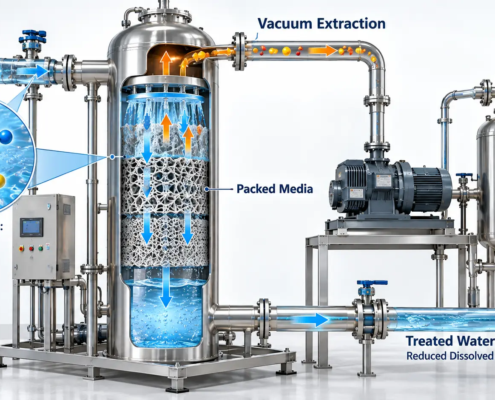
 https://advancees.com/wp-content/uploads/2026/10/degassing-system-water-treatment-industrial.webp
941
1672
Advancees
https://advancees.com/wp-content/uploads/2026/09/advancees-aveyra-company-300x89.png
Advancees2026-10-11 12:47:082026-10-11 12:47:08Degassing Systems for Industrial Water Treatment: What They Do and When You Need One
https://advancees.com/wp-content/uploads/2026/10/degassing-system-water-treatment-industrial.webp
941
1672
Advancees
https://advancees.com/wp-content/uploads/2026/09/advancees-aveyra-company-300x89.png
Advancees2026-10-11 12:47:082026-10-11 12:47:08Degassing Systems for Industrial Water Treatment: What They Do and When You Need One
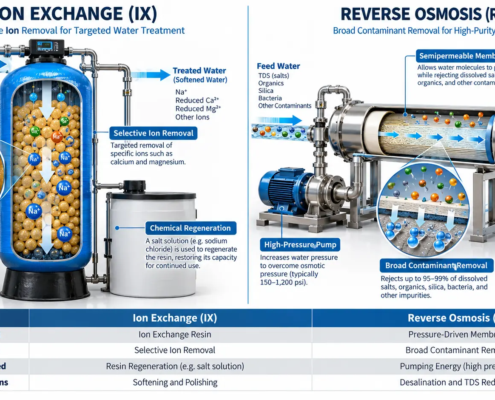 https://advancees.com/wp-content/uploads/2026/10/ion-exchange-vs-reverse-osmosis-industrial-water-treatment.webp
941
1672
Advancees
https://advancees.com/wp-content/uploads/2026/09/advancees-aveyra-company-300x89.png
Advancees2026-10-11 12:25:572026-10-11 12:25:57Ion Exchange vs Reverse Osmosis: Which Water Treatment Technology Is Right for Your Application?
 https://advancees.com/wp-content/uploads/2026/10/ultrapure-water-treatment-industrial-applications.webp
941
1672
Advancees
https://advancees.com/wp-content/uploads/2026/09/advancees-aveyra-company-300x89.png
Advancees2026-10-11 07:56:022026-10-11 07:56:02What Is Ultrapure Water and Which Industries Cannot Operate Without It?
 https://advancees.com/wp-content/uploads/2026/10/water-treatment-pharmaceutical-industry-usp-standards.webp
941
1672
Advancees
https://advancees.com/wp-content/uploads/2026/09/advancees-aveyra-company-300x89.png
Advancees2026-10-11 07:20:282026-10-11 07:27:38Water Treatment in the Pharmaceutical Industry: What USP Standards Actually Require
 https://advancees.com/wp-content/uploads/2026/09/h2s-removal-water-treatment-industrial-facility.webp
941
1672
Advancees
https://advancees.com/wp-content/uploads/2026/09/advancees-aveyra-company-300x89.png
Advancees2026-09-17 13:56:272026-09-17 13:56:27Hydrogen Sulfide in Water: What Industrial Facilities Need to Know and How to Remove It
 https://advancees.com/wp-content/uploads/2026/09/reverse-osmosis-maintenance-schedule-commercial-industrial.webp
1024
1536
Advancees
https://advancees.com/wp-content/uploads/2026/09/advancees-aveyra-company-300x89.png
Advancees2026-09-14 13:18:202026-09-17 13:27:09Reverse Osmosis System Maintenance Checklist: What to Inspect Every Month, Quarter, and Year
 https://advancees.com/wp-content/uploads/2026/09/pump-skid-system-water-treatment-industrial.webp
1024
1536
Advancees
https://advancees.com/wp-content/uploads/2026/09/advancees-aveyra-company-300x89.png
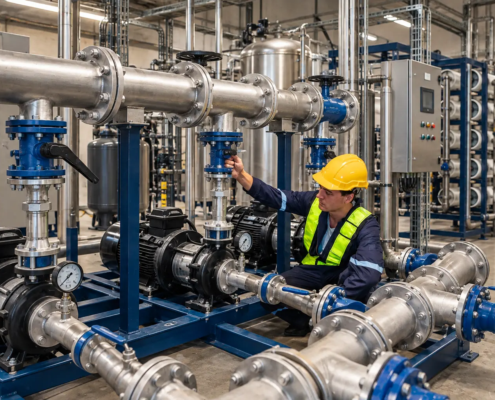
Advancees2026-09-07 13:04:252026-09-17 13:04:46What Is a Pump Skid System and Why Does Your Water Treatment Operation Need One?
 https://advancees.com/wp-content/uploads/2026/09/water-filtration-maintenance-industrial-ro-system.webp
941
1672
Advancees
https://advancees.com/wp-content/uploads/2026/09/advancees-aveyra-company-300x89.png
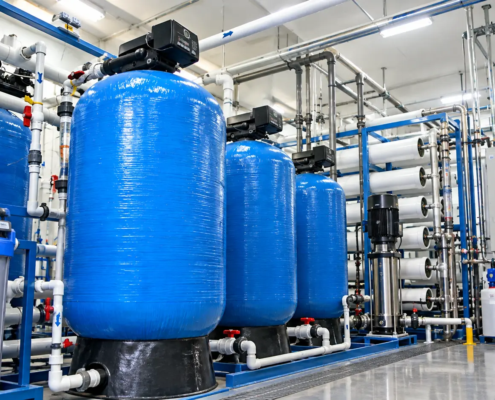
Advancees2026-09-01 12:10:022026-09-17 12:34:12How Often Should You Really Service Your Industrial RO System? A Maintenance Schedule That Actually Works
 https://advancees.com/wp-content/uploads/2026/08/hurricane-season-water-supply-emergency-treatment-preparation.webp
941
1672
Advancees
https://advancees.com/wp-content/uploads/2026/09/advancees-aveyra-company-300x89.png
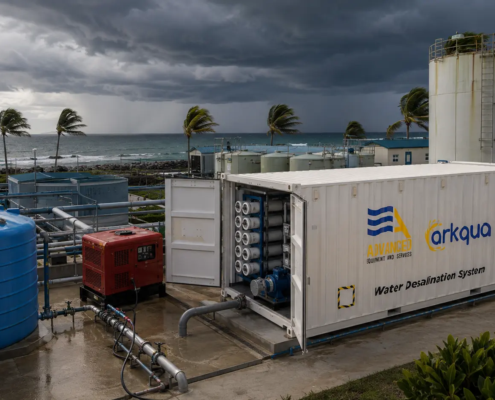
Advancees2026-08-21 09:12:592026-08-21 09:12:59Peak Hurricane Season Is Here: What Happens to Your Water Supply When a Storm Hits and How to Prepare Now
 https://advancees.com/wp-content/uploads/2026/08/containerized-reverse-osmosis-water-infrastructure-latin-america.webp
941
1672
Advancees
https://advancees.com/wp-content/uploads/2026/09/advancees-aveyra-company-300x89.png
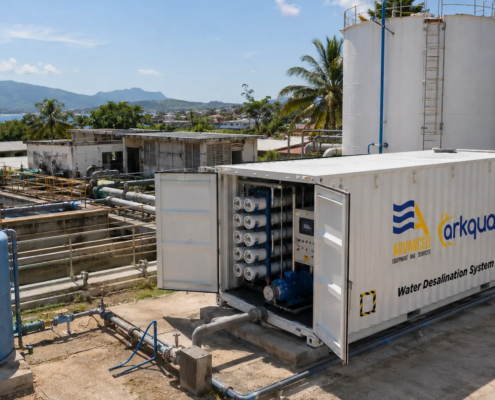
Advancees2026-08-20 13:49:412026-08-20 13:49:41Latin America’s Water Infrastructure Crisis: Why Containerized RO Is the Only Realistic Short-Term Solution
 https://advancees.com/wp-content/uploads/2026/08/emergency-desalination-system-municipalities-small-towns.webp
941
1672
Advancees
https://advancees.com/wp-content/uploads/2026/09/advancees-aveyra-company-300x89.png
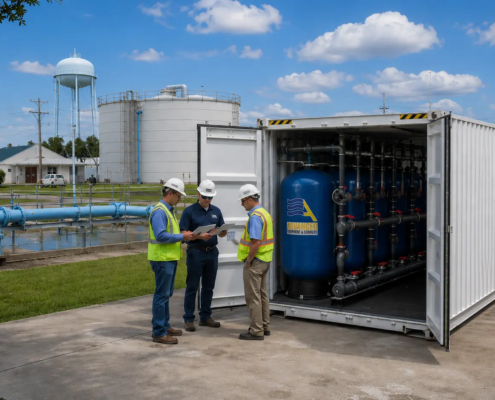
Advancees2026-08-20 12:46:342026-08-20 12:46:34How Municipalities and Small Towns Can Access Emergency Desalination Systems Quickly and Affordably
 https://advancees.com/wp-content/uploads/2026/08/emergency-ro-system-features-disaster-zone-deployment.webp
941
1672
Advancees
https://advancees.com/wp-content/uploads/2026/09/advancees-aveyra-company-300x89.png
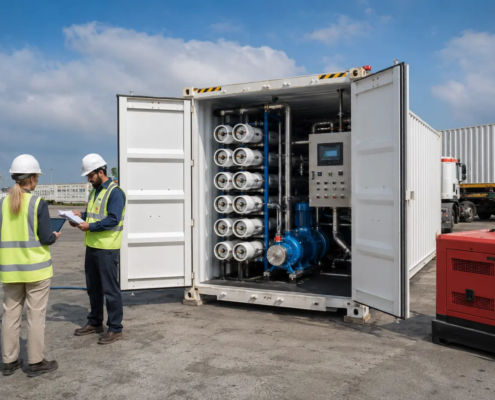
Advancees2026-08-19 13:56:152026-08-19 13:58:29The 6 Features Every Emergency RO System Must Have Before You Deploy It to a Disaster Zone
 https://advancees.com/wp-content/uploads/2026/07/containerized-desalination-system-humanitarian-response-deployment.webp
941
1672
Advancees
https://advancees.com/wp-content/uploads/2026/09/advancees-aveyra-company-300x89.png
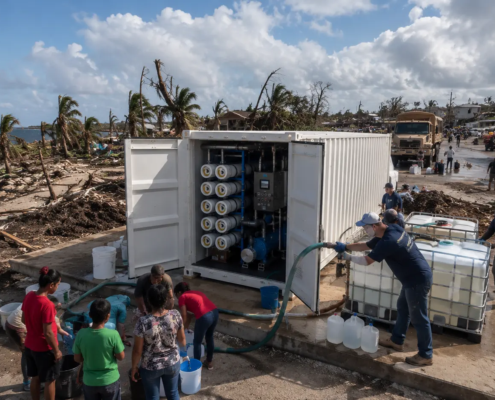
Advancees2026-07-14 13:14:492026-07-14 13:14:49Containerized Desalination Systems for Humanitarian Response: How Fast Can You Deploy Clean Water?
 https://advancees.com/wp-content/uploads/2026/07/emergency-deployment-water-treatment-system-checklist.webp
941
1672
Advancees
https://advancees.com/wp-content/uploads/2026/09/advancees-aveyra-company-300x89.png
Advancees2026-07-14 12:33:002026-07-14 12:33:00What Makes a Water Treatment System Ready for Emergency Deployment? A Buyer’s Checklist
 https://advancees.com/wp-content/uploads/2026/07/hurricane-season-water-treatment-preparedness-coastal-facility.webp
900
1260
Advancees
https://advancees.com/wp-content/uploads/2026/09/advancees-aveyra-company-300x89.png
Advancees2026-07-14 11:25:222026-07-14 11:25:22Hurricane Season Is Active Right Now: Is Your Coastal Facility’s Water Supply Protected?
 https://advancees.com/wp-content/uploads/2026/07/venezuela-water-crisis-emergency-water-treatment-system-scaled.webp
1707
2560
Advancees
https://advancees.com/wp-content/uploads/2026/09/advancees-aveyra-company-300x89.png
Advancees2026-07-14 09:01:472026-07-14 09:01:47Venezuela’s Water Crisis Is a Reminder That Clean Water Infrastructure Can Collapse Without Warning
 https://advancees.com/wp-content/uploads/2026/06/salinity-reduction-food-beverage-water-treatment.webp
941
1672
Advancees
https://advancees.com/wp-content/uploads/2026/09/advancees-aveyra-company-300x89.png
Advancees2026-06-15 13:26:262026-06-15 13:26:26Salinity Reduction in Food and Beverage Processing: Why Getting It Wrong Costs More Than the System
 https://advancees.com/wp-content/uploads/2026/06/salinity-reduction-system-industry-selection-guide.webp
941
1672
Advancees
https://advancees.com/wp-content/uploads/2026/09/advancees-aveyra-company-300x89.png
Advancees2026-06-15 12:28:232026-06-15 12:28:23How to Choose the Right Salinity Reduction System for Your Industry
 https://advancees.com/wp-content/uploads/2026/06/ultra-low-conductivity-water-treatment-reverse-osmosis-edi.webp
941
1672
Advancees
https://advancees.com/wp-content/uploads/2026/09/advancees-aveyra-company-300x89.png
Advancees2026-06-15 11:18:512026-06-15 11:18:51Why Electrodeionization and Reverse Osmosis Are the Gold Standard for Ultra-Low Conductivity Water
 https://advancees.com/wp-content/uploads/2026/06/high-water-conductivity-industrial-treatment-system-scaled.webp
1707
2560
Advancees
https://advancees.com/wp-content/uploads/2026/09/advancees-aveyra-company-300x89.png
Advancees2026-06-12 13:45:022026-06-12 13:48:31High Water Conductivity in Your Facility: What It Means, Why It Matters, and How to Fix It
 https://advancees.com/wp-content/uploads/2026/05/reverse-osmosis-reduce-tds-industrial-water-treatment.webp
900
1260
Advancees
https://advancees.com/wp-content/uploads/2026/09/advancees-aveyra-company-300x89.png
Advancees2026-05-26 10:40:472026-05-26 10:42:06Why Reverse Osmosis Is the Most Effective Way to Reduce TDS in Industrial Water
 https://advancees.com/wp-content/uploads/2026/05/how-to-reduce-tds-in-water-commercial-industrial-scaled.webp
1707
2560
Advancees
https://advancees.com/wp-content/uploads/2026/09/advancees-aveyra-company-300x89.png
Advancees2026-05-26 10:28:502026-05-26 10:34:36How to Reduce TDS in Water: A Practical Guide for Commercial and Industrial Operations
 https://advancees.com/wp-content/uploads/2026/05/high-tds-water-damage-industrial-equipment-scaled.webp
1709
2560
Advancees
https://advancees.com/wp-content/uploads/2026/09/advancees-aveyra-company-300x89.png
Advancees2026-05-26 10:21:252026-05-26 10:23:52High TDS Water Is Damaging Your Equipment and Costing You More Than You Realize
 https://advancees.com/wp-content/uploads/2026/05/what-is-high-tds-water-commercial-industrial-facilitie.webp
900
1260
Advancees
https://advancees.com/wp-content/uploads/2026/09/advancees-aveyra-company-300x89.png
Advancees2026-05-26 10:06:452026-05-26 10:06:45What Is High TDS Water and Why It’s a Serious Problem for Commercial and Industrial Facilities
 https://advancees.com/wp-content/uploads/2026/04/reduce-tds-in-wastewater-mining-compliance.webp
941
1672
Advancees
https://advancees.com/wp-content/uploads/2026/09/advancees-aveyra-company-300x89.png
Advancees2026-04-27 12:38:272026-04-27 12:38:27Reducing TDS in Mining Wastewater: A Roadmap for Environmental Compliance
 https://advancees.com/wp-content/uploads/2026/04/brackish-water-vs-seawater-ro-system-scaled.webp
1440
2560
Advancees
https://advancees.com/wp-content/uploads/2026/09/advancees-aveyra-company-300x89.png
Advancees2026-04-27 10:19:282026-04-27 10:19:28Brackish Water vs. Seawater: Choosing the Right RO System for Your Source
 https://advancees.com/wp-content/uploads/2026/04/leasing-mobile-ro-for-tornado-recovery.webp
941
1672
Advancees
https://advancees.com/wp-content/uploads/2026/09/advancees-aveyra-company-300x89.png
Advancees2026-04-24 13:07:562026-04-24 13:48:53Leasing Mobile RO For Tornado Recovery In Oklahoma And Kansas
 https://advancees.com/wp-content/uploads/2026/04/emergency-water-treatment-after-tornadoes-scaled.webp
1707
2560
Advancees
https://advancees.com/wp-content/uploads/2026/09/advancees-aveyra-company-300x89.png
Advancees2026-04-24 12:44:282026-04-24 12:54:58Emergency Water Treatment After Tornadoes In Oklahoma And Kansas
 https://advancees.com/wp-content/uploads/2026/03/industrial-water-treatment-equipment-costs-2026-scaled.webp
1707
2560
Advancees
https://advancees.com/wp-content/uploads/2026/09/advancees-aveyra-company-300x89.png
Advancees2026-03-24 13:15:082026-03-24 13:15:08How US Tariffs Are Making Industrial Water Treatment Equipment More Expensive and What to Do About It
 https://advancees.com/wp-content/uploads/2026/03/boil-water-notice-commercial-facility-water-treatment-scaled.webp
1707
2560
Advancees
https://advancees.com/wp-content/uploads/2026/09/advancees-aveyra-company-300x89.png
Advancees2026-03-24 11:39:282026-03-24 11:53:33Boil Water Notices Are a Warning Sign, Not a Solution: What Comes Next for Affected Facilities
Latest Projects
 PROJECT DESCRIPTION – Sustainable Seawater Treatment – Coastal community and golf course facilitiesAugust 26, 2025 - 12:02 pm
 PROJECT DESCRIPTION – MUNICIPALITY PLANT CONTAINERIZED MODULAR SWRO SYSTEMSJuly 3, 2025 - 4:03 pm
 ADVANCEESPROJECT DESCRIPTION – HIGH TDS WATER RO SYSTEMJuly 21, 2023 - 11:47 am