
Reverse Osmosis & Water Filtration System For BOILERS
Good quality feed water for boilers is essential, it can assure a continuous heat exchange, prevent or control corrosion and can produce a good quality steam. Feed water for boilers can be treated with:
WHY YOU NEED REVERSE OSMOSIS SYSTEMS WITH BOILERS
Reverse osmosis purification is required for the maximum functioning of most boiler systems, even if they are just used for heating.
For example, if you utilize water for food service or brewing, reverse osmosis assures that the hot water is both consumable and won’t alter the flavor of your product.
When water boils, it transforms to steam and disperses as gas into the atmosphere. The salt and other minerals, on the other hand, do not evaporate as quickly as water. These minerals may build up within the boiler system as scales over time, causing “hot spots,” blockages, and inefficient performance at best, and system failure at worst. Reverse osmosis eliminates minerals from the water before it enters the feedwater tank, allowing the boiler to function more efficiently.
Mastering Boiler Efficiency: Strategies and Techniques
Boilers play a crucial role across manufacturing, hospitality, and industrial operations, providing essential heat and hot water. Inefficient systems drive up energy consumption, increase operating costs, and raise environmental impact. Here are the core strategies to optimize boiler performance and reduce waste.
Understanding Boiler Efficiency
Boiler efficiency measures how effectively a boiler converts fuel into usable heat, expressed as a percentage of heat output versus heat input. The higher the efficiency, the less fuel required to produce the same result, meaning lower costs and fewer emissions.
Key Factors That Affect Efficiency
Fuel Quality Clean, high-quality fuel burns more efficiently and produces less waste. Regular fuel analysis and proper handling procedures keep combustion performance at its best.
Combustion Optimization Proper air-fuel ratio, burner maintenance, and combustion chamber design are critical. Regular tune-ups ensure optimal combustion and reduce unnecessary fuel consumption.
Boiler Sizing and Design An oversized or undersized boiler wastes energy. Correct sizing matches the heating load precisely. Modern designs with condensing technology and heat recovery systems push efficiency even further.
Operational Best Practices
- Minimize heat loss by insulating pipes, valves, and boiler components. Inspect regularly for leaking seals or damaged insulation
- Schedule routine maintenance for burners, heat exchangers, and controls to catch issues before they escalate
- Inspect steam traps regularly to prevent steam leaks, which cause significant energy losses if left unaddressed
- Upgrade outdated systems when older boilers no longer perform efficiently. Newer models with modulating burners and condensing heat exchangers deliver measurably lower operating costs
- Implement advanced controls including variable-speed drives and demand-based strategies to reduce energy consumption during low-demand periods
- Use waste heat recovery to capture exhaust heat and preheat feedwater, reducing the energy required for each cycle
- Invest in operator training so your team can identify issues early, perform routine tasks correctly, and operate the system at peak efficiency
Water Treatment for Boiler Protection
Proper water treatment prevents scale buildup and corrosion, two of the most damaging and avoidable causes of boiler inefficiency. A comprehensive water treatment program maintains optimal water quality and extends equipment lifespan significantly.
High TDS feed water accelerates scale formation on boiler tubes, reduces heat transfer efficiency, and increases blowdown frequency, all of which raise operating costs directly. A dedicated water treatment system upstream of your boiler protects the asset and reduces long-term maintenance spend.
Energy Management
Implementing an energy management system (EMS) gives operations teams real-time visibility into consumption patterns, tighter control over boiler parameters, and a clear path to identifying inefficiencies before they affect the bottom line.
Optimizing Boiler Systems for Maximum Performance
- One large manufacturing facility implemented a comprehensive boiler optimization program, including regular maintenance, efficiency upgrades, and staff training. As a result, they achieved a significant reduction in fuel consumption and operating costs while improving overall system reliability.
- A leading hotel chain upgraded its boiler systems with high-efficiency models equipped with condensing technology and advanced controls. By integrating energy management systems and implementing demand-based control strategies, they were able to minimize energy waste and enhance guest comfort while lowering operational expenses.
- Food processing plants installed a waste heat recovery system to capture and utilize heat from boiler exhaust gases. This recovered heat was used to preheat water for boiler feed and provide heating for various processes, leading to substantial energy savings and improved sustainability.
What Is Reverse Osmosis for Boilers?
Reverse osmosis (RO) is one of the most effective methods for preparing feedwater for boiler systems. It works by applying high pressure to force water through semi-permeable RO membranes, which block dissolved salts, hardness minerals, and contaminants while allowing purified water to pass through. The purified stream is called “permeate,” and the rejected dissolved solids are discharged as “concentrate.” In boiler applications, RO is essential because it removes up to 99.5% of impurities that can cause scaling, corrosion, and efficiency loss. By supplying clean, consistent feedwater, reverse osmosis extends equipment life, reduces chemical treatment requirements, and ensures reliable boiler performance.
WE ADAPT TO YOUR NEEDS!
We can customize our products to meet all your project needs. Take a look at these custom features:
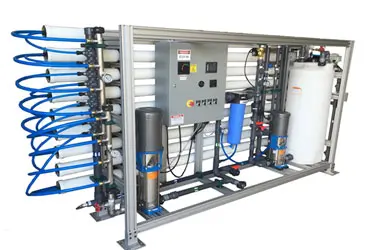
SKID MOUNTED
Easy to transport and install, with a small footprint for reduced spaces
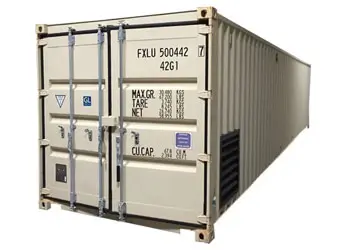
CONTAINERIZED
Work in the most harsh and corrosive conditions with our containerized systems
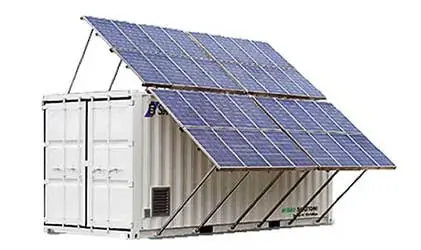
SOLAR / hybrid
Ensure operation with our full solar or hybrid system
Frequently Asked Questions (FAQs)
Why is reverse osmosis important for boiler feedwater?
RO removes dissolved salts and minerals that cause scaling and corrosion, protecting boilers and improving efficiency.
What problems occur when boilers use untreated water?
Untreated water leads to scale buildup, corrosion, reduced heat transfer, higher fuel costs, and premature equipment failure.
Can reverse osmosis reduce chemical usage in boilers?
Yes. By removing most impurities before they enter the boiler, RO minimizes the need for chemical softening and conditioning.
How does RO improve boiler efficiency?
RO reduces scaling and fouling, which improves heat transfer, lowers energy consumption, and maximizes boiler output.
What types of boilers benefit from RO systems?
All types, including industrial steam boilers, high-pressure boilers, and power plant boilers, benefit from purified RO feedwater.
How pure is the water produced by reverse osmosis?
A properly designed RO system can remove up to 99.5% of dissolved salts and contaminants, producing near-demineralized water.
Can RO be combined with other boiler water treatment methods?
Yes. RO is often paired with deionization, softening, or polishing systems for ultra-pure water in high-pressure applications.
Does using RO feedwater extend boiler lifespan?
Absolutely. Cleaner feedwater reduces scaling, corrosion, and maintenance needs, extending the operating life of the boiler.
Are RO systems cost-effective for boiler operations?
Yes. The upfront investment pays off through lower energy costs, reduced chemical use, and fewer repairs over time.
Does ADVANCEES provide service and support for boiler RO systems?
Yes. We design, install, and maintain RO systems tailored to boiler applications, ensuring reliable operation and compliance.
Industrial Park Coral Springs
18514 Intercontinental Crossing Dr, Houston, TX 77073
Products
Latest Projects
 PROJECT DESCRIPTION – Sustainable Seawater Treatment – Coastal community and golf course facilitiesAugust 26, 2025 - 12:02 pm
 PROJECT DESCRIPTION – MUNICIPALITY PLANT CONTAINERIZED MODULAR SWRO SYSTEMSJuly 3, 2025 - 4:03 pm
 ADVANCEESPROJECT DESCRIPTION – HIGH TDS WATER RO SYSTEMJuly 21, 2023 - 11:47 am