
NOAA’s 2026 Atlantic hurricane season outlook predicts 8 to 14 named storms, with 3 to 6 expected to become hurricanes and 1 to 3 forecast to reach major hurricane status. While forecasters note that El Niño conditions may suppress overall activity, the message from NOAA’s own leadership is unambiguous. NOAA National Weather Service Director Ken Graham stated that although El Niño’s impact in the Atlantic Basin can suppress hurricane development, there is still uncertainty in how each season will unfold, and that it is essential to review your hurricane preparedness plan now.
Disaster responders echo that message clearly: it only takes one hurricane to make for a very bad year for those in its path.
For coastal facility operators, resort managers, and industrial sites in hurricane-prone regions along the Gulf Coast, Florida, the Caribbean, and the Eastern Seaboard, hurricane season water treatment preparedness is not a theoretical exercise. It is an operational necessity that needs to be in place before a storm forms, not after one makes landfall.
What a Hurricane Actually Does to Your Water Supply
Most coastal facility managers understand the structural risks a hurricane brings. Roof damage, flooding, and power outages are well-documented threats with established contingency plans. What receives far less attention is what a major storm does to water quality, and how quickly those effects disable operations even in facilities that survive the structural event intact.
A hurricane making landfall on a coastal area creates several simultaneous water quality failures:
- Saltwater intrusion pushes ocean water into coastal aquifers and freshwater wells, raising TDS to levels that make source water unusable without desalination-grade treatment.
- Floodwater contamination introduces agricultural runoff, sewage, fuel, and debris into surface water and groundwater supplies.
- Municipal system damage disrupts water treatment and distribution infrastructure, triggering boil water notices that can remain in place for days or weeks.
- Power outages disable pumping stations, treatment plants, and any water treatment equipment that depends on grid connection.
Each of these failures compounds the others. A facility that loses municipal supply, has a contaminated well, and has no backup power for its existing treatment equipment faces a complete water supply interruption at exactly the moment operational continuity matters most.
Why Waiting for a Storm Warning Is Already Too Late
The standard emergency procurement timeline for a water treatment system runs between 8 and 16 weeks from order to commissioning under normal conditions. In the days before a hurricane makes landfall, that timeline is irrelevant. Logistics networks shut down. Freight carriers suspend service to affected regions. Ports close. Roads become impassable.
The only effective hurricane season water treatment preparedness strategy is one that puts a system in place before the season peaks, not in response to a specific storm warning.
NOAA generally releases an updated hurricane forecast in August, ahead of the peak of the season in the Atlantic, which typically extends from mid-September through October. That update window is the last realistic opportunity to assess risk and act before the highest-activity period of the season begins. For coastal facilities that have not yet addressed water supply contingency planning, that window is now.
The Case for Pre-Positioning a Containerized RO System
A pre-positioned containerized reverse osmosis or desalination system changes the water supply equation for a coastal facility entirely. Rather than depending on a municipal supply that may fail, a well that may become contaminated, or an emergency procurement process that cannot move fast enough, a pre-positioned system gives the facility an independent, on-site water treatment capability that operates regardless of what the storm does to surrounding infrastructure.
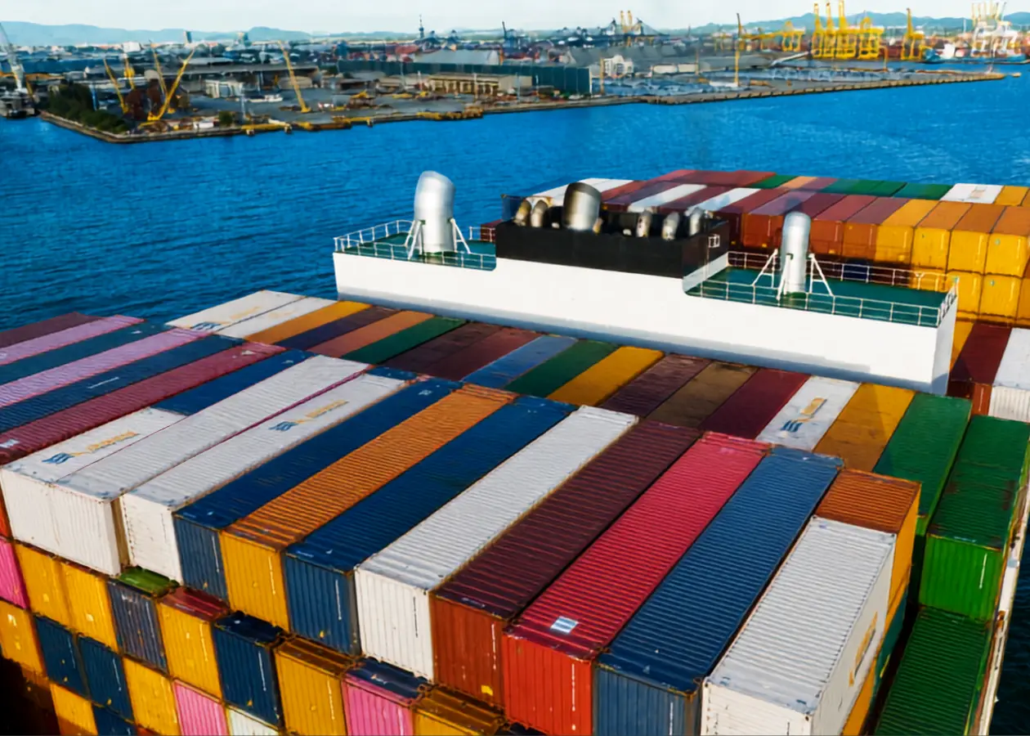
ADVANCEES ARKQUA containerized RO and desalination systems are available in stock and can be pre-positioned at your facility before hurricane season reaches its peak. Each unit arrives in a standard shipping container, self-contained and ready to connect to a feed water source and power supply. There are no civil works, no permanent installation, and no dependency on the infrastructure a hurricane is most likely to damage.
For coastal facilities where the feed water source following a storm may shift from a freshwater well to a saltwater-contaminated aquifer or direct seawater, the ADVANCEES SSWRO Small Seawater RO Series provides containerized desalination capability that handles full seawater TDS concentrations. Pre-positioning a seawater-capable system means your facility can produce clean water from whatever source is available after the storm passes, regardless of how severely the freshwater supply has been affected.
Hurricane Preparedness for Resorts and Hospitality Facilities
Coastal resorts and hotels face a specific version of this risk that combines operational, financial, and reputational consequences. A resort that cannot provide safe, clean water to guests during or after a hurricane event faces an immediate guest safety obligation, potential regulatory liability, and the reputational damage of a water quality failure during a high-visibility crisis.
For resort and hospitality operators, a pre-positioned ARKQUA system is both an operational contingency and a guest safety commitment. It ensures that clean water production continues independently of municipal supply and grid power, protecting guests and allowing the property to remain operational when surrounding facilities cannot. Learn more about ADVANCEES water treatment solutions for hotels and resorts.
Fast Deployment When You Need It Most
ARKQUA systems are engineered for fast deployment and easy installation in demanding field conditions. The containerized design is built to withstand transport and field exposure in harsh environments, arriving ready to operate without the setup time that conventional treatment systems require.
For facilities that have not yet pre-positioned a system but are facing an imminent storm threat, ADVANCEES maintains in-stock ARKQUA units available for immediate dispatch. While pre-positioning before peak season remains the recommended approach, immediate availability ensures that even late-stage procurement can result in a functioning system before conditions deteriorate.
Leasing: The Right Financial Structure for Emergency Preparedness
Capital budget constraints should not be the reason a coastal facility enters hurricane season without a water treatment contingency plan. ADVANCEES water treatment leasing options provide access to fully operational ARKQUA systems under a structured monthly agreement, with maintenance support included, removing the upfront capital barrier to preparedness.
For resort operators, industrial facilities, and commercial operations that need to demonstrate water supply resilience without a large capital outlay, a leased ARKQUA system pre-positioned before peak hurricane season is the most cost-effective route to operational protection.
The Season Is Already Active. Act Before the Peak.
The first system of the 2026 Atlantic hurricane season, Tropical Storm Arthur, formed on June 17. The Atlantic season has two peaks, mid-September and mid-October, with activity tending to drop quickly after the second peak. Between now and those peaks, every coastal facility that has not addressed water supply contingency planning is carrying an operational risk that a pre-positioned ARKQUA system eliminates entirely.
Contact ADVANCEES today to discuss available ARKQUA system capacities, pre-positioning logistics for your facility, and leasing options that fit your operational budget. The time to act on hurricane season water treatment preparedness is before the storm, not after it.


 ADVANCEES
