
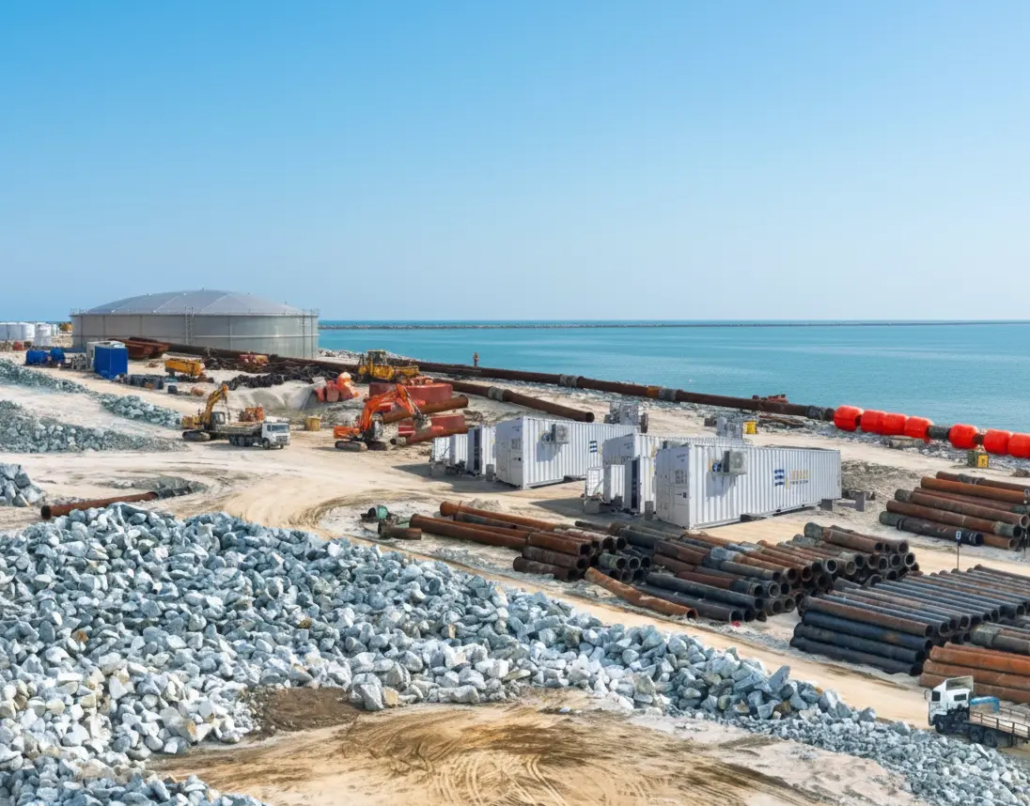
Across coastal communities, island regions, off-grid sites, and remote industrial locations, access to clean water is often inconsistent or extremely limited. Traditional large-scale desalination plants require major civil works, long construction timelines, and high capital investment. For many users, these challenges make them impractical.
This is where a small desalination system becomes the smarter, faster, and more flexible option.
Compact desalination units—especially containerized reverse osmosis systems—give municipalities, resorts, construction sites, offshore operations, and emergency-response teams the ability to generate fresh water almost immediately, without long installation delays or land-use constraints. They deliver highly reliable water production in environments where conventional infrastructure is unrealistic or too slow to deploy.
Why Small Desalination Systems Are Increasing in Demand
Several industry trends are pushing organizations toward smaller, modular desalination systems:
1. Water scarcity is becoming more widespread
Remote regions, island communities, and coastal industrial sites often experience seasonal or permanent water shortages. A small desalination system provides a dependable on-site water source without requiring large-scale infrastructure.
2. Rapid deployment is now a top priority
When water is needed immediately—after storms, equipment failure, drought, or supply disruption—long construction timelines are not an option. Modular units can be delivered and producing water in a matter of hours or days.
3. Land and permitting limitations
Many remote or coastal locations lack suitable land for permanent facilities. A containerized system solves this by occupying a small footprint and minimizing site preparation.
4. Temporary water supply needs are increasing
Industries and municipalities frequently require water production for weeks or months, not decades. Leasing or renting a system provides cost-effective flexibility.
These challenges have created a significant shift toward compact, containerized systems like ARKQUA, which combine small-plant convenience with industrial-grade output.
The Advantages of Containerized Desalination Systems
Containerized desalination units package all major treatment components—pumps, membranes, prefiltration, post-treatment, controls—into a single turnkey module. This offers several benefits over traditional built-in systems.
1. Extremely Fast Deployment
A small desalination system located inside a shipping container arrives fully assembled and tested. Once placed on-site:
-
Connect the feed source
-
Connect power
-
Begin producing clean water
There is no need for large buildings, chemical storage rooms, or extensive installation work.
2. Compact Footprint
Because the system is contained within a standard 20- or 40-foot container, it fits in tight or irregular spaces, making it ideal for:
-
Coastal resorts
-
Island communities
-
Offshore platforms
-
Remote mining operations
-
Military bases
-
Disaster-relief zones
Space restrictions are no longer a barrier to implementing desalination.
3. Mobility and Relocation
The containerized design lets users move a desalination plant from one location to another, making it perfect for:
-
Seasonal demand
-
Temporary construction projects
-
Municipal emergency response
-
Industrial shutdowns and maintenance
A traditional plant cannot be repositioned—but a containerized one can.
4. Lower Upfront Investment
Organizations that do not want to commit to a large capital purchase can rent or lease systems. This avoids long-term ownership costs while still delivering reliable water production.
Introducing ARKQUA: Small Desalination Systems Ready for Rapid Deployment
The ARKQUA series from ADVANCEES combines industrial-grade engineering with fast-deployment capability, making it one of the most versatile containerized desalination solutions available.
ARKQUA 100, ARKQUA 150, and ARKQUA 200
A compact, high-efficiency system designed for small communities, emergency relief operations, private islands, and off-grid sites. It is ideal when users need:
-
Fast setup
-
Small footprint
-
Lower water demand
-
Reliable seawater or brackish water treatment
ARKQUA 500
A larger, higher-output unit that supports municipal use, industrial facilities, remote resorts, and medium-sized communities. It delivers:
-
Greater water production
-
Full containerized housing
-
Quick deployment flexibility
-
Ability to operate in demanding environments
Always Ready for Rent or Lease
Both ARKQUA units are frequently deployed on a temporary or semi-permanent basis. Because the systems are:
-
Pre-built
-
Pre-tested
-
Self-contained
They can be mobilized rapidly for clients who need immediate water production without months of waiting.
Whether the need is planned or emergency-driven, ARKQUA units provide a turnkey, problem-solving approach to water scarcity and infrastructure limitations.
Why a Small Desalination System Makes Sense for Remote and Coastal Locations
1. Reliable Water Independence
Communities and industries that rely on transported water or vulnerable supply lines gain control and stability.
2. Minimal Infrastructure Requirements
A small desalination system does not require:
-
Buildings
-
Complex piping networks
-
Specialized foundations
-
Large operating teams
This makes it the ideal choice for locations with limited resources or difficult geography.
3. High Water Quality
Advanced reverse osmosis membranes remove:
-
Salts
-
Minerals
-
Microorganisms
-
Organic contaminants
Ensuring safe, clean drinking water or high-purity process water.
4. Ideal for Emergency Situations
After natural disasters or supply interruptions, containerized units like ARKQUA can restore water availability far faster than traditional infrastructure.
When to Choose a Small Desalination System Instead of a Large Plant
A compact modular system is the right solution when:
-
Water needs are under 200–500 m³/day
-
Deployment must happen within days, not months
-
Space is limited
-
Infrastructure is temporary
-
Leasing is preferable to purchasing
-
Water usage is seasonal
-
The location is remote or difficult to access
-
The project requires scalable capacity (multiple units)
For these situations, a small desalination system delivers unmatched speed, flexibility, and cost-efficiency.
Final Thoughts
A small desalination system is no longer just a backup solution, it is now one of the most practical ways for remote, coastal, and off-grid sites to secure reliable water production quickly and affordably. With the rise of containerized, modular systems like ARKQUA, organizations can deploy advanced desalination technology without the delays, complexities, or high costs of traditional plants.
Whether you need a temporary system, an emergency solution, or a long-term source of potable water, ARKQUA 200 and ARKQUA 500 offer powerful, ready-to-deploy options designed for speed, mobility, and reliability.


 ADVANCEES
