
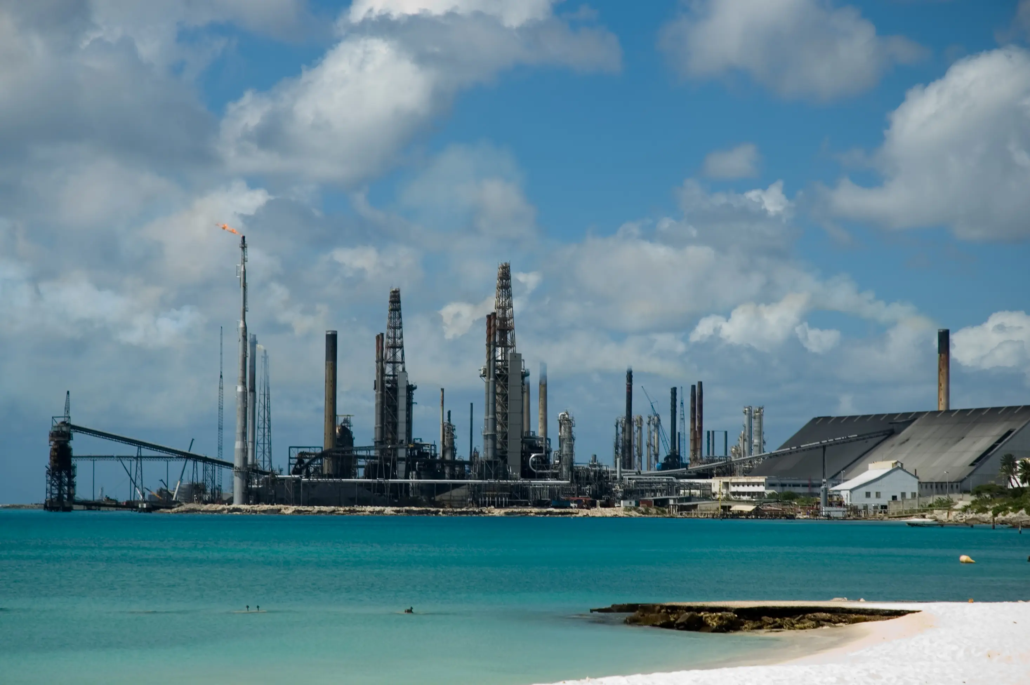
Coastal communities, offshore platforms, resorts, and remote industrial sites all share one challenge: reliable access to fresh water. Traditional supply methods like trucking, barge delivery, or municipal connections can be inconsistent, expensive, or unavailable altogether. That is why commercial seawater reverse osmosis (SWRO) systems have become essential across industries that operate near or on the ocean.
Advances in membrane technology, energy recovery systems, and modular engineering have made modern SWRO units more efficient, more compact, and far easier to deploy than ever before. Today’s systems can operate in harsh marine environments, support 24/7 water production, and deliver highly consistent output with minimal maintenance.
For organizations that depend on safe, clean water every day—whether for drinking, processing, cooling, or sanitation—commercial SWRO systems provide a dependable solution where no traditional infrastructure exists.
What Is Commercial Seawater Reverse Osmosis?
Commercial seawater reverse osmosis is a high-pressure filtration process that removes salt, minerals, and impurities from seawater. Using advanced semipermeable membranes, SWRO systems force seawater through microscopic pores that allow pure water molecules to pass while rejecting dissolved solids.
The result is clean, potable water suitable for commercial and industrial use—including resorts, manufacturing facilities, offshore rigs, and municipalities.
Key Advantages of SWRO Technology
-
Removes 99 percent of dissolved salts
-
Produces consistent water quality even in variable seawater conditions
-
Requires minimal chemicals, improving safety and reducing operating costs
-
Scalable, from small containerized units to large municipal plants
-
Highly energy-efficient using modern recovery devices
These advantages are driving rapid growth in the adoption of SWRO systems across the world.
Why Commercial Operations Are Turning to SWRO Systems
1. Reliable Fresh Water in Remote Areas
Many island communities, coastal resorts, and offshore platforms simply cannot rely on municipal supplies or transported water. SWRO provides independent, on-demand water production, eliminating dependency on external sources.
2. Compact Footprint and Flexible Deployment
Not all sites can accommodate large water treatment buildings. Modern commercial seawater reverse osmosis systems—especially containerized models—fit into tight spaces and require minimal civil work.
Systems like ADVANCEES ARKQUA series offer complete desalination capability inside a single 20- or 40-foot container.
3. Lower Operational Costs Compared to Water Delivery
Transporting water is expensive. On-site desalination typically lowers long-term costs and provides stable pricing for businesses with fluctuating demand.
4. Engineered for Harsh Marine Environments
Commercial SWRO systems are built to withstand high salinity, corrosion, temperature swings, and demanding operation schedules typical of offshore and coastal sites.
5. Fast Availability Through Rental or Leasing
Many projects do not need permanent infrastructure. That is why containerized SWRO units are now widely requested for rental or short-term leasing.
ADVANCEES ARKQUA units are engineered specifically for rapid deployment and temporary water production.
How a Commercial Seawater Reverse Osmosis System Works
Although SWRO involves advanced engineering, the overall process is straightforward:
1. Intake and Screening
Seawater is drawn from the ocean or a shoreline well and passes through coarse screening to remove large debris.
2. Pretreatment Filters
Sand filters, ultrafiltration membranes, or multimedia filters remove suspended solids, protecting the reverse osmosis membranes from fouling.
3. High-Pressure Pumping
Water is pressurized—typically between 800 and 1,200 PSI—so it can pass through the RO membranes.
4. Reverse Osmosis Membrane Separation
Pure water permeates through the membrane, while concentrated brine is discharged back to the ocean.
5. Post-Treatment
Mineral adjustment, UV disinfection, and pH balancing may be added depending on the final application.
This streamlined process allows commercial SWRO systems to produce high-quality water with exceptional reliability.
Containerized SWRO: The Fastest Way to Deploy Seawater Desalination
One of the most significant innovations in commercial desalination is the rise of containerized reverse osmosis systems. These units integrate pumps, membranes, controls, and pretreatment components into a single mobile enclosure.
Advantages of Containerized Commercial SWRO
-
Rapid installation with minimal civil works
-
Small footprint for tight or temporary sites
-
Factory-assembled and tested, ensuring consistent quality
-
Easily transportable by truck, ship, or barge
-
Ideal for rental, leasing, or emergency deployment
Introducing ARKQUA: Rapid-Deployment Commercial Seawater RO Systems
ADVANCEES proudly offers the ARKQUA series, designed for fast, reliable desalination in challenging environments.
ARKQUA 100, ARKQUA 150, and ARKQUA 200
Engineered for small communities, offshore teams, construction sites, and emergency water needs.
Produces reliable fresh water with minimal installation requirements.
ARKQUA 500
A higher-capacity solution for municipalities, resorts, and industrial facilities needing larger daily output.
Ready to Rent or Lease
Both systems are:
-
Fully containerized
-
Pre-installed and pre-tested
-
Built for seawater and brackish water applications
-
Designed for quick setup and immediate water production
For temporary operations, seasonal demands, or emergency water shortages, ARKQUA systems provide a practical, cost-effective alternative to permanent infrastructure.
Who Benefits Most from Commercial SWRO Systems?
1. Resorts and Hotels
Maintain consistent water quality regardless of local supply issues.
2. Offshore Platforms
Ensure the safety and comfort of crews during long operations.
3. Municipalities
Add temporary capacity during droughts, repairs, and seasonal population spikes.
4. Remote Industrial Sites
Support mining, energy, and construction operations with dependable water production.
5. Disaster Response Teams
Restore clean water access rapidly after storms and natural disasters.
Final Thoughts
As demand for reliable fresh water continues to rise, commercial seawater reverse osmosis systems have become a critical solution for many industries. Whether supporting long-term operations or rapid emergency deployment, modern SWRO systems deliver safe, consistent water production where it is needed most.
With containerized solutions like ARKQUA 100, ARKQUA 150, ARKQUA 200, and ARKQUA 500, organizations gain fast access to dependable desalination technology, without the delays or costs of traditional plant construction.
ADVANCEES remains committed to designing and delivering high-performance seawater desalination systems that meet the needs of today’s coastal and offshore users.


 ADVANCEES
