
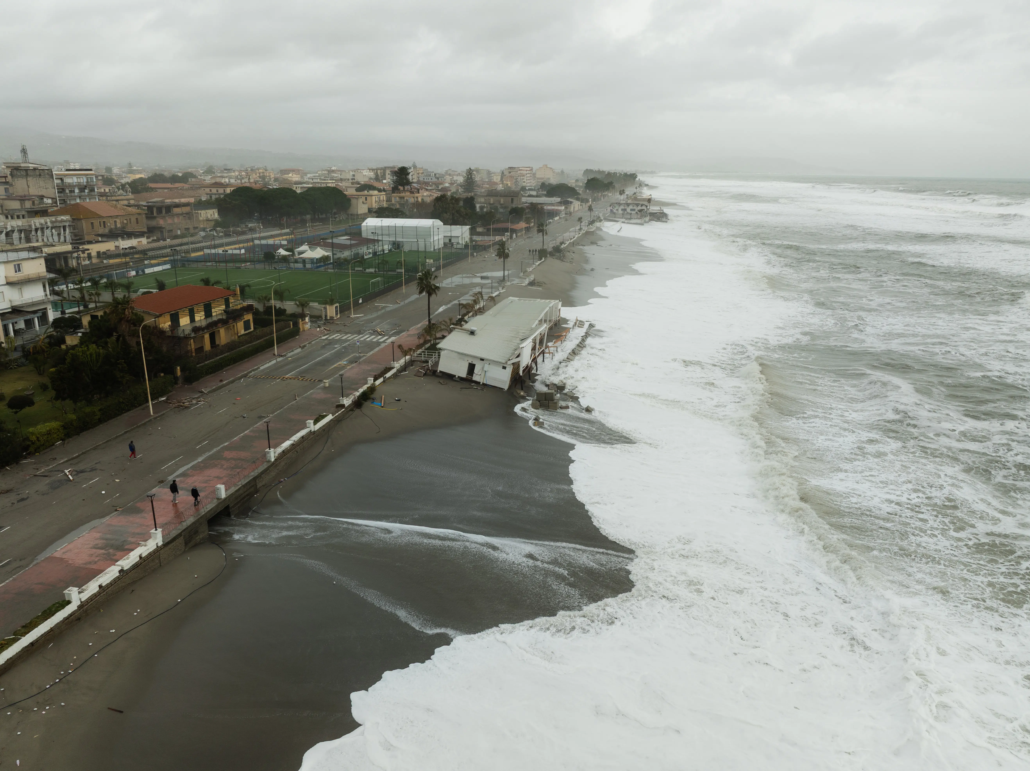
Seawater reverse osmosis (SWRO) is a powerful solution for large-scale water scarcity, especially for coastal communities, islands, disaster zones, and industrial facilities. While residential systems can handle a few hundred gallons per day (GPD), high-capacity SWRO systems can treat tens of thousands of gallons daily, offering a dependable source of freshwater directly from the ocean.
In this article, we explore what sets these commercial systems apart, when they’re most needed, and why containerized designs like ADVANCEES’ solutions starting at 25,000 GPD are reshaping how water is delivered in critical environments.
What Defines a High-Capacity Seawater RO System?
High-capacity SWRO systems are typically designed for outputs ranging from 25,000 to hundreds of thousands of gallons per day. These systems use a multi-stage process to push seawater through semi-permeable membranes that remove salts, heavy metals, microbes, and other impurities.
Key design characteristics include:
- Robust Pre-Filtration: Multimedia filters, cartridge filters, and chemical dosing units to protect RO membranes
- Energy Recovery Devices (ERDs): Improve energy efficiency by capturing and reusing pressure energy from the brine stream
- Corrosion-Resistant Materials: Essential for saltwater durability
- Automation & Remote Monitoring: Enables unmanned operation and real-time diagnostics in remote locations
ADVANCEES designs its seawater desalination systems starting at 25,000 GPD – a size ideal for resorts, military bases, large construction sites, municipalities, and island utilities.
When Are High-Capacity SWRO Systems the Right Choice?
1. Emergency & Disaster Relief:
When hurricanes or tsunamis damage municipal water infrastructure, high-capacity SWRO systems can provide rapid deployment of safe drinking water using nearby seawater. Containerized units allow quick mobilization by truck or cargo ship.
2. Coastal & Island Communities:
For populations surrounded by seawater but lacking freshwater resources, SWRO systems are often the only viable long-term solution. These systems support domestic use, agriculture, and small-scale industry.
3. Industrial Applications:
Seawater desalination plays an important role in power plants, mining, and offshore oil operations where freshwater intake is limited and regulatory compliance is tight.
Why Choose Containerized SWRO Systems?
Containerized SWRO units like those from ADVANCEES are built for mobility, compactness, and fast commissioning. Each system is pre-engineered in ISO-standard shipping containers, offering:
- Plug-and-Play Deployment: Minimal site setup and installation time
- Scalable Capacity: Modular units can be combined to expand total GPD
- Climate Resilience: Systems are built to withstand extreme environments, from desert heat to salt-laden coastal winds
With designs starting at 25,000 GPD, these units are a smart choice for projects that need fast setup and reliable performance — without long construction timelines or expensive civil works.
The ADVANCEES Advantage
ADVANCEES seawater desalination systems are engineered for high salinity tolerance, low energy consumption, and minimal maintenance. With options ranging from compact, containerized systems to custom skid-mounted plants, ADVANCEES ensures:
- Rapid lead times for emergency deployment
- High-recovery membranes and ERD integration
- Remote telemetry for performance tracking
Whether supporting disaster relief or securing long-term water supply, ADVANCEES provides high-output seawater desalination built for reliability.
Looking to secure a large-scale desalination system?
Explore our Seawater Desalination Products and learn how ADVANCEES can meet your freshwater needs with systems starting at 25,000 GPD and beyond.


 ADVANCEES
