
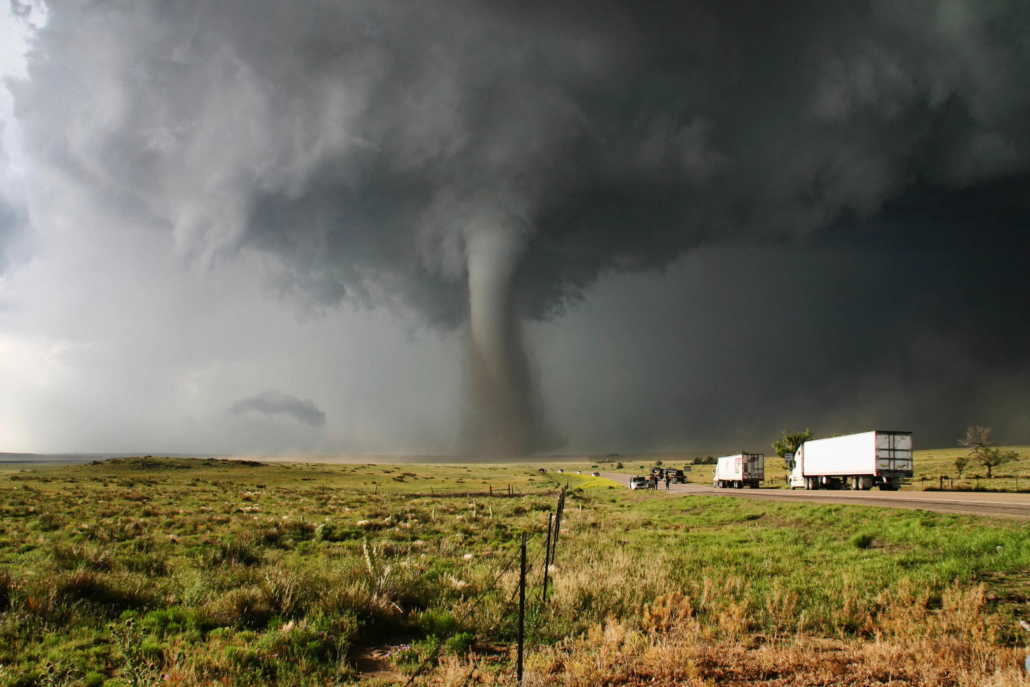
Tornadoes can do more than damage roofs, roads, and power lines. They can also disrupt water infrastructure, contaminate supply systems, and create immediate health risks. For facilities across Oklahoma and Kansas, emergency water treatment after tornadoes is often the difference between prolonged downtime and a fast, safe restart. When water pressure drops or contamination is suspected, waiting for municipal recovery is rarely an option.
How Tornadoes Knock Out Safe Water
Pressure Loss And Broken Infrastructure
Tornado damage frequently impacts critical water infrastructure, creating immediate operational challenges.
- Service lines, hydrants, and distribution systems can be physically damaged or destroyed
- Water pressure loss increases the risk of bacterial contamination
- Boil water advisories are commonly issued following pressure disruptions
- Facilities cannot rely on immediate municipal restoration, especially in widespread damage zones
Flooding, Debris, And Chemical Contamination
Beyond structural damage, contamination becomes a major concern after tornadoes.
- Floodwaters can carry sewage, debris, and surface contaminants into water sources
- Industrial sites may release chemicals from damaged storage containers
- Groundwater and private wells should be treated as unsafe until tested
- Facilities using alternate water sources must assume contamination risk
Why Emergency Water Treatment After Tornadoes Cannot Wait
The First Seventy-Two Hours Matter Most
The initial response window is critical for maintaining operations and safety.
- Manufacturing plants, healthcare facilities, and campuses face immediate disruption
- Delays in water restoration can halt sanitation, cooling, and production systems
- Bottled water is not a viable long-term solution for operational needs
- Facilities require a scalable tornado recovery water supply strategy
What Facility Teams Should Assess First
Before implementing a solution, teams need to quickly evaluate site conditions.
- Has the facility lost water pressure, power, or both?
- Is the existing water source available but unsafe?
- Can groundwater or wells be used temporarily?
- What is the minimum flow required to maintain operations?
- Would mobile treatment units or a leased system restore supply fastest?
How ADVANCEES Systems Help Restore Supply
When Containerized RO Fits Fast Deployment
In emergency scenarios, speed and simplicity matter most.
- Containerized RO systems allow for rapid deployment and setup
- Self-contained units simplify installation in debris-heavy environments
- Systems are designed for modular scalability based on demand
- Remote monitoring supports operation with limited on-site personnel
Explore available systems here:
https://advancees.com/reverse-osmosis-products/
When Brackish RO Makes Sense For Wells And Alternate Groundwater
Inland facilities often shift to alternative water sources after a tornado.
- If testing shows elevated TDS levels, brackish RO becomes a practical solution
- Systems can be skid-mounted or containerized depending on site needs
- Designed for harsh conditions and variable water quality
- Proper sizing and pretreatment are confirmed through engineering support
For planning and system design support:
https://advancees.com/services/ro-plant-design-and-consultancy/
Why Leasing Beats Waiting For Permanent Repairs
Speed, Service, And Technical Support
Leasing provides a practical bridge between emergency response and long-term recovery.
- Reduces the time between decision and system deployment
- Eliminates delays associated with capital equipment purchasing
- Supports operational continuity during infrastructure repairs
- Provides access to technical expertise and ongoing support
Learn more about leasing options here:
https://advancees.com/services/lease-water-treatment/
Talk To ADVANCEES Before The Next Storm
Facilities in tornado-prone regions cannot afford to treat water recovery as an afterthought. Emergency water treatment after tornadoes should be part of every contingency plan, especially for operations that rely on consistent water supply.
To prepare effectively:
- Identify your primary and backup water sources
- Determine daily flow requirements for critical operations
- Confirm power availability, including backup generators
- Plan for rapid deployment using lease-ready systems
Contact ADVANCEES to size a lease-ready emergency water treatment system for your facility and ensure you are prepared before the next storm hits.


 ADVANCEES
