
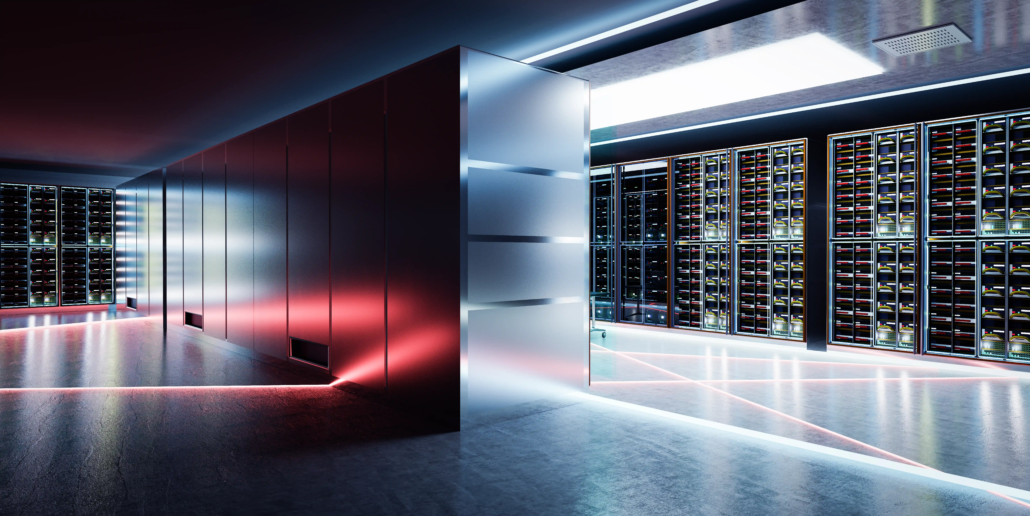
Artificial intelligence is transforming the global economy. But behind every AI model, cloud platform, and hyperscale computing cluster is a physical data center, which requires enormous amounts of water.
As AI adoption accelerates, water consumption for cooling infrastructure is becoming a growing concern. Facility managers and sustainability officers are now searching for smarter ways to reduce usage while maintaining performance. This is where a data center water recycling system powered by commercial reverse osmosis (RO) can make a measurable impact.
Why AI Data Centers Use So Much Water
Modern data centers generate extreme heat due to high-density server racks and GPU clusters. To prevent overheating, many facilities rely on:
-
Evaporative cooling towers
-
Chilled water loops
-
Direct liquid cooling systems
These cooling methods require significant volumes of make-up water. In some regions, large facilities can consume millions of gallons per year. As AI workloads increase, cooling demands rise alongside them.
Water scarcity and sustainability regulations are now forcing operators to rethink traditional cooling strategies.
The Water Challenge Facing Data Centers
The problem is not just usage, it is also discharge and inefficiency.
Cooling towers generate blowdown water as minerals concentrate during evaporation. That blowdown is often discharged as wastewater, even though it still contains recoverable water.
At the same time, many data centers rely entirely on potable municipal supplies, increasing strain on local infrastructure.
A properly engineered data center water recycling system allows facilities to:
-
Recover cooling tower blowdown
-
Treat and reuse process water
-
Reduce freshwater intake
-
Lower wastewater discharge fees
-
Improve sustainability metrics
Reverse osmosis is central to achieving this.
How Reverse Osmosis Supports Data Center Water Recycling
Reverse osmosis removes dissolved solids, silica, hardness, and other contaminants that limit reuse potential.
In a data center application, commercial RO systems can:
-
Treat Cooling Tower Blowdown
RO can recover high-quality water from blowdown streams, allowing reuse in cooling loops instead of discharge. -
Enable High-Cycle Cooling Operation
By reducing mineral buildup, RO systems allow towers to operate at higher concentration cycles, decreasing overall water use. -
Utilize Alternative Water Sources
Facilities can treat brackish groundwater, reclaimed wastewater, or other non-potable sources for cooling applications. -
Improve Equipment Protection
Lower TDS water reduces scaling and corrosion in heat exchangers and piping systems.
A commercial-grade RO solution transforms waste streams into reusable assets.
Designing an Effective Data Center Water Recycling System
Not all RO systems are built for industrial-scale data center operations. Key design considerations include:
-
Required flow rate (GPD or m³/day)
-
Feedwater TDS and chemical composition
-
Recovery rate targets
-
Space constraints and footprint
-
Redundancy requirements
-
Automation and remote monitoring
Medium and large commercial RO systems for brackish or municipal feedwater can be skid-mounted or containerized for rapid deployment. For facilities seeking aggressive sustainability targets, solar-integrated or hybrid power configurations can further reduce operational carbon footprint.
Scalability is also critical. AI workloads fluctuate, and infrastructure must adapt without compromising uptime.
Sustainability, ESG, and Regulatory Pressure
Investors and regulators are increasingly evaluating data centers based on:
-
Water usage effectiveness (WUE)
-
ESG reporting transparency
-
Local water impact
-
Drought resilience
Implementing a data center water recycling system using reverse osmosis demonstrates proactive water stewardship. It reduces dependence on municipal supply and strengthens long-term operational resilience.
For hyperscale operators expanding into water-stressed regions, RO-based recycling is quickly becoming not just an environmental strategy, but a competitive necessity.
The Future of AI Infrastructure Depends on Water Innovation
AI innovation is moving faster than ever. But computing growth cannot outpace water availability.
Commercial reverse osmosis systems provide a practical, scalable solution to one of the industry’s most pressing sustainability challenges. By recovering and reusing cooling water, data centers can reduce operating costs, minimize environmental impact, and future-proof their infrastructure.
As AI continues to expand, intelligent water management will be just as critical as intelligent computing.


 ADVANCEES
