
Reverse Osmosis & Water Filtration System For Agriculture
Agricultural water filtration plays a critical role in ensuring clean, safe, and efficient water use across farms, irrigation systems, and livestock operations. From crop cultivation to animal hydration, water quality directly impacts productivity and sustainability in agriculture. With proper filtration, water from rivers, wells, or recycled sources can be treated for reuse: supporting irrigation, filling troughs, and reducing reliance on freshwater supplies.
To meet the diverse needs of agricultural operations, water treatment solutions such as desalination, arsenic removal, iron removal, deionization, ion exchange, and hydrogen sulfide removal can be applied. These technologies help ensure that irrigation systems deliver high-quality water, protect crops from harmful contaminants, and improve overall water efficiency on the farm.
Agricultural RO & Filtration for Irrigation Systems
ADVANCEES agricultural RO solutions are engineered to handle diverse water sources, from brackish groundwater to surface reservoirs. By integrating RO membranes with ultrafiltration and pre-treatment, our systems ensure farmers have a consistent supply of clean irrigation water – helping maximize crop yields, maintain soil balance, and support long-term agricultural sustainability.
Importance of Water Quality in Agriculture
Benefits of Advanced Agriculture Water Filtration Systems
Implementing effective agricultural water filtering techniques ensures a reliable and constant water source for farms, enhancing productivity and efficiency. Some of its key advantages include:
- Improved Crop Yield – Clean water promotes healthy development of plants, and thus, high yields and high-quality yields.
- Livestock Health & Well-Being – Purifies water by filtering out unhealthy microbes and impurities that can affect cattle welfare
- Sustainable Water Management – By conserving use of untreated sources, a less environmentally taxing agricultural practice is assured.
- Reduced Equipment Damage – Filtration prevents mineral buildup in irrigation systems, extending equipment lifespan and reducing maintenance costs.
- Compliance with Regulations – Meeting water quality standards helps farms comply with agricultural water safety guidelines.
Customizable Water Treatment Solutions for Agriculture
At ADVANCEES, we offer tailored agriculture water filtration solutions to meet the specific needs of different farming operations. Our systems can be designed for:
- Drip Irrigation & Sprinkler Systems – Eliminate stoppages and have even water distribution.
- Greenhouse & Hydroponic Farming – Provide perfect water purity for growing environments under controls.
- Dairy & Livestock Farms – Ensure safe and proper sanitation for animals.
- Aquaculture & Fisheries – Provide high-quality water for aquatic and fish farm use.
Our reverse osmosis (RO) technology, ion exchange, and high-tech filtering capabilities allow agricultural operations to use water with utmost efficiency and protect animals and produce.
IRRIGATION MEMBRANES & ULTRAFILTRATION FOR AGRICULTURE
Plants and vegetables may meet significantly less rigorous agricultural water filtration criteria because they already have natural filtering mechanisms. As a result, irrigation has a bigger pool of resources to draw from than confined groundwater resources. Irrigation operations mostly rely on grey water reuse in addition to treated sewage discharge. After going through a reverse osmosis system, these technologies create wastewater, which is regarded a poor source of drinking water but is good for irrigation and agriculture. Many farmers have completely abandoned subsurface aquifers in favor of these more effective water sources.
Pollutants originating from the earth’s crust’s surrounding rocks and dirt are found in almost all naturally occurring water. Drained irrigation water and effluent sewage water have an impact on water quality. Salinity is often the main concern in the irrigation industry due to the negative effects salt has on soil and product growth. Other contaminants, such as boron, can be similarly dangerous to the irrigation industry because of their deleterious effects. High quantities of boron produce toxicity, which harms the soil and reduces overall product yield. These high amounts can be found in groundwater and seawater naturally, or they might be created by polluted water.
The above systems benefit hydroponics, commercial farmers, greenhouses, and the pharmaceutical industry. Bacteria and virus issues, as well as chloride, sulfate, salt, nitrate, arsenic, and overall TDS reduction, are all addressed by these systems.
Get the Right Agriculture Water Filtration System
Every farm is different and will have its specific water filtering requirements, and selecting a proper system is critical for efficiency and for long-term sustainability. Get in touch with ADVANCEES today and have your farm’s best agricultural water filtering system installed. Our professionals will assist in choosing, installing, and maintaining a system that will serve your agricultural objectives.
WE ADAPT TO YOUR NEEDS!
We can customize our products to meet all your project needs. Take a look at these custom features:
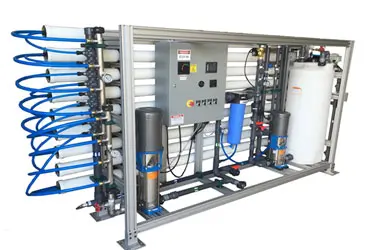
SKID MOUNTED
Easy to transport and install, with a small footprint for reduced spaces
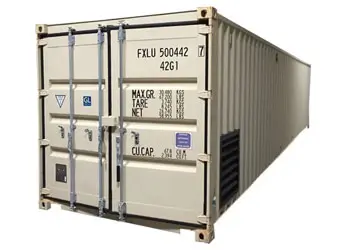
CONTAINERIZED
Work in the most harsh and corrosive conditions with our containerized systems
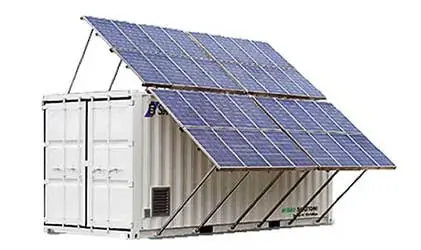
SOLAR / hybrid
Ensure operation with our full solar or hybrid system
Explore Our Catalog & Request a Custom Quote
Looking for the right agricultural water filtration solution for your operation? Download our catalog to view system applications and available technologies.
Whether you need filtration for irrigation, livestock, or water reuse, our catalog will help you find the right fit. If you’re ready to take the next step, simply request a custom quote and our team will work with you to design a solution tailored to your specific agricultural water treatment needs.
Frequently Asked Questions (FAQs)
Does ADVANCEES provide support and maintenance for farm filtration systems?
Yes. We provide installation, service contracts, and technical support to keep systems running efficiently and ensure reliable water quality for agricultural use.
What types of contaminants can agricultural water filtration remove?
Filtration systems can remove salts, iron, arsenic, hydrogen sulfide, bacteria, and suspended solids that affect crop yield and soil health.
Can reverse osmosis be used for irrigation water?
Yes. Reverse osmosis systems reduce high TDS levels and deliver consistent water quality, which is vital for sensitive crops and controlled-environment agriculture.
How does desalination help farms in coastal or arid regions?
Desalination converts seawater or brackish groundwater into fresh water, allowing farmers to irrigate crops even where natural freshwater supplies are limited.
Will filtration systems improve greenhouse operations?
Absolutely. Consistent water quality ensures greenhouse crops receive the right nutrients without damage from excess minerals or water variability.
Can agricultural filtration systems reduce fertilizer costs?
Yes. Cleaner water improves nutrient absorption and reduces chemical interactions, meaning fertilizers and treatments are more effective and less is wasted.
Why is water filtration important in agriculture?
Clean, filtered water prevents clogging in irrigation systems, reduces crop damage, and ensures healthy plant growth by removing harmful minerals and contaminants.
How scalable are ADVANCEES filtration systems for large farms?
Our systems are engineered to meet the needs of small farms, commercial growers, and large-scale agribusinesses, with options for expansion as demand grows.
Do agricultural water treatment systems help with livestock water?
Yes. Clean, filtered water supports animal health, improves feed efficiency, and reduces risks associated with contaminated water sources.
Can farmers recycle and reuse irrigation water?
With the right treatment, irrigation runoff can be filtered and reused, reducing water waste and improving sustainability for agricultural operations.
Industrial Park Coral Springs
18514 Intercontinental Crossing Dr, Houston, TX 77073
Products
Latest Projects
 PROJECT DESCRIPTION – Sustainable Seawater Treatment – Coastal community and golf course facilitiesAugust 26, 2025 - 12:02 pm
 PROJECT DESCRIPTION – MUNICIPALITY PLANT CONTAINERIZED MODULAR SWRO SYSTEMSJuly 3, 2025 - 4:03 pm
 ADVANCEESPROJECT DESCRIPTION – HIGH TDS WATER RO SYSTEMJuly 21, 2023 - 11:47 am